
The 15th meeting of the Conference of the Parties to the Convention on the Conservation of Migratory Species of Wild Animals (CMS COP15) will convene from 23 to 29 March in Campo Grande, Brazil. This is the first time CMS COP is hosted in Brazil, the world’s most biodiverse country, and at the gates of the Pantanal region, one of the richest and most vibrant biomes globally.
CMS COP15 will bring together 133 Parties (consisting of 132 countries and the European Union), scientists, Indigenous Peoples and Local Communities, NGOs and other stakeholders from around the world under the slogan, “Connecting Nature to Sustain Life.” This theme highlights the vital role of ecological connectivity for conserving ecosystems, which are crucial both for migratory species and human well-being. The theme also reflects linkages between ecological connectivity, the conservation of migratory species and climate change; and showcases Brazil’s rich biodiversity to raise awareness on the wide range of species in the country and the region.
The meeting will be a great opportunity to strengthen international cooperation, promote research and leverage increased resources to advance the protection of these species’ critical habitats. During the week-long negotiations, CMS COP15 is expected to consider:
- Enhancing global and coordinated action to protect species at risk;
- Scaling up species-specific conservation initiatives to protect iconic at-risk species such as the Jaguar Corridor across 18 countries from Mexico to Argentina;
- Driving the Samarkand Strategic Plan (2024–2032) forward and evaluating progress and alignment with the Kunming-Montreal Global Biodiversity Framework;
- Addressing global challenges such as climate change, habitat loss, wildlife health threats, and the impacts of pollution and renewable energy infrastructure;
- Strengthening synergies with other multilateral environmental agreements; and
- Adopting Ministerial Declarations to reaffirm global commitments to migratory species conservation.
Moreover, CMS COP15 will urge Parties and stakeholders to advance ecological connectivity through its Global Partnership on Ecological Connectivity (GPEC). This is a multistakeholder collaborative initiative of 18 partners aiming to facilitate capacity, plans and actions needed to maintain, enhance and restore ecological connectivity to support biodiversity and ecosystem health and related benefits. Partners include the Center for Large Landscape Conservation, IUCN World Commission on Protected Areas, UNEP World Conservation Monitoring Centre, WWF and ICLEI, which is the only local and subnational governments network among the partners.
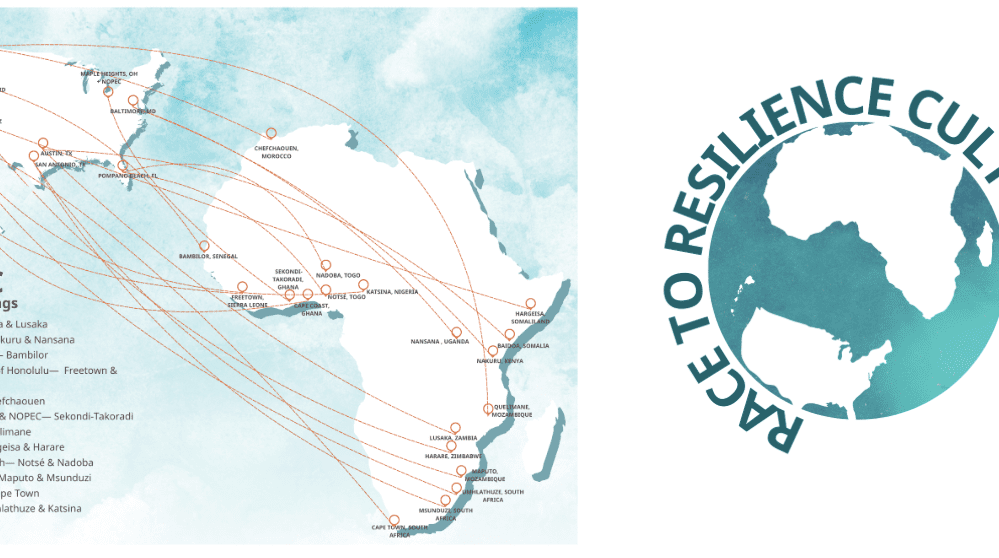
ICLEI’s Journeys for Life initiative supports the objectives of the CMS by facilitating collaboration between cities that are located along migratory routes and flyways, to enhance ecological connectivity, promote habitat restoration and protection, and encourage the integration of migratory species considerations into urban planning among participating cities through targeted awareness and engagement campaigns for urban residents. ICLEI will showcase Journeys for Life and participating cities at an inter-flyway pre-COP event as well as at the GPEC side event “From Partnerships to Practice: Advancing ecological connectivity action on the ground”.
COP15 will serve as a vital platform for Parties and their stakeholders to address measures for safeguarding ecosystem integrity and ecological connectivity, including for migratory species. This is fundamental to sustaining nature’s contributions to people and enhancing the resilience of socio-ecological systems in the face of climate change. In a climate-overshoot scenario, reinforcing these interdependencies becomes even more critical for maintaining life-support systems for both people and biodiversity.
 News
News