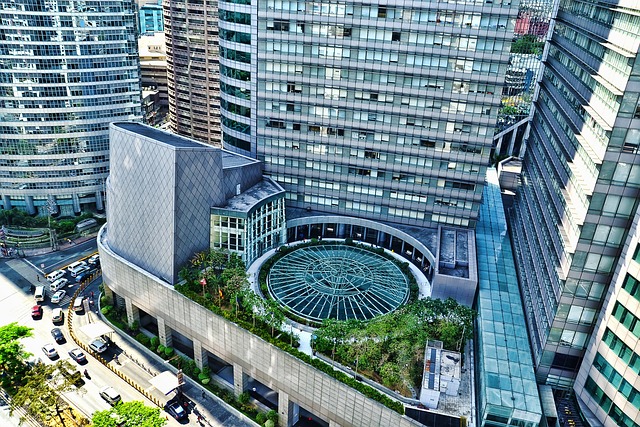

Extreme heat causes more than discomfort; for lower-income communities, it affects health and livelihood, especially in densely populated urban areas where homes are built close to one another.
In Antipolo City, heat reduction is a major concern at the household and community levels, especially during the hot-dry season. Hence, the Antipolo City Government is proposing a capstone project under the Enhancing Local Capacities in Socially Inclusive Resilience in Asia (SIRA) Project -implemented by the ICLEI Southeast Asia and South Asia Secretariats- that aims to reduce urban heat through a nature- and community-based intervention, which will encourage residents to plant edible vegetation in yards, pots, walls, and other available household spaces. Once started, the project intends to provide shade and cooling in urban residential areas where houses are closely built and green spaces are limited, while also serving as an urban farm that will support communities’ food supply.
For this proposed project, Antipolo City will work with urban-poor households vulnerable to heat due to congestion.
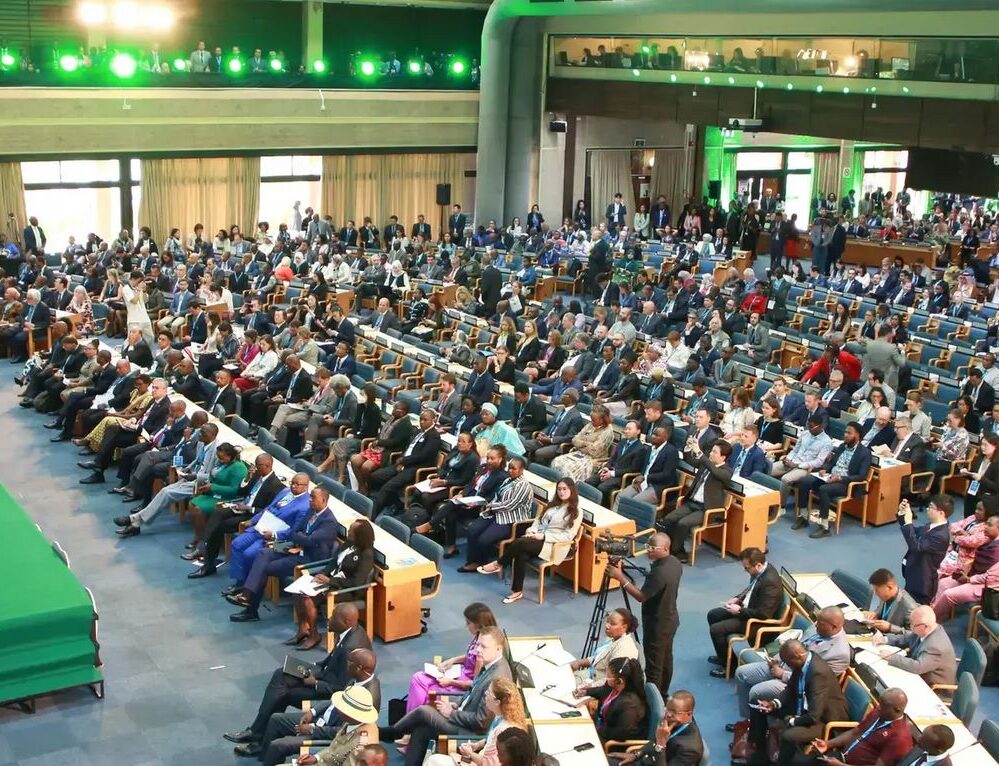
With the SIRA Project aiming to ensure social inclusion and active community participation in local resilience strategies, the SIRA fellows of Antipolo City invited homeowners’ associations (HOAs) from their selected lower-income barangays (villages) to a Town Hall COP, where the community’s experiences and solutions can be heard and integrated into the city’s proposed project.
Held on 4 March 2026, the fellows invited HOAs to a Town Hall COP to conduct a baseline assessment on their proposed project.
The assessment included three main activities designed to facilitate active discussions among participants and allow them to share their experiences on extreme heat:
• A participatory mapping activity where HOA members drew houses and identified the areas and times of day where they feel the most heat;
• A plenary activity where they identified environmental or physical factors outside their homes that either worsen or help them cope with the heat; and,
• An activity involving illustrated cards that visualize heat-related problems in a community, and filling out a table where they can write the top problems in their area; the solutions they practice in their homes to address them; and their suggestions on how the local government can help further address the problem.
Learn more about Antipolo City’s capstone project here.
 News
News