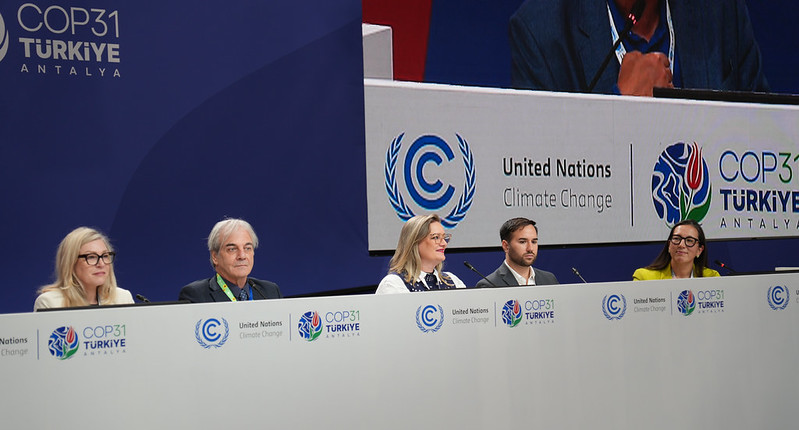
Following the conclusion of COP31, ICLEI President Mayor Katrin Stjernfeldt Jammeh, and Secretary General Gino Van Begin issued statements on the negotiation outcomes, emphasizing the importance of multilateral cooperation and the role of cities and regions ahead of COP32 in Addis Ababa, Ethiopia.
ICLEI at COP31
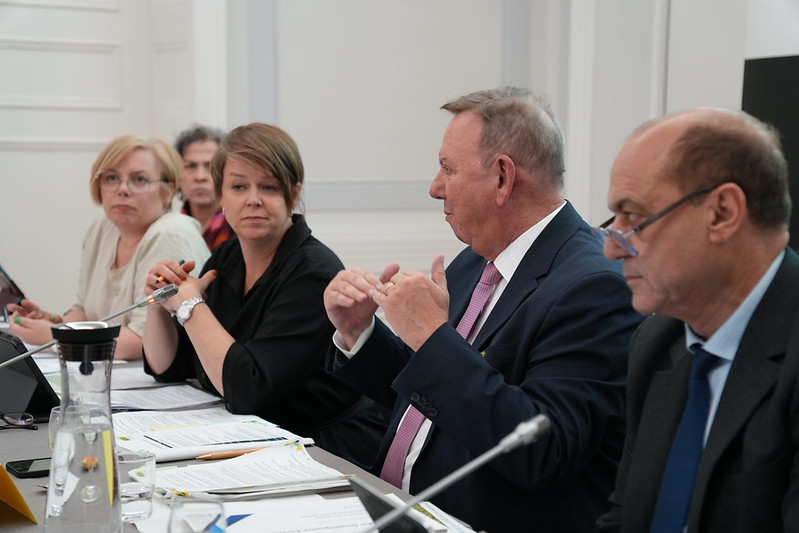
The ICLEI network at UNFCCC COP31 in Antalya, Türkiye, 9-20 November 2026.
Cities and regions stand with the multilateral process
COP31 closed in Antalya without an overarching agreement. Yet the recognition of local and regional governments in successive negotiating drafts provides a foundation for further progress at COP32. ICLEI remains committed to the multilateral process and to securing a lasting role for cities and regions within it.
With 80% of new Nationally Determined Contributions (NDCs) containing well-developed urban content, the priority now is to equip local and regional governments with the institutional arrangements, financial resources and technical capacity needed for implementation.
At COP31, ICLEI called for a rapid, just and equitable transition away from fossil fuels, stronger multilevel governance and integrated action across climate, biodiversity and land agendas.
ICLEI brought a global delegation of more than 120 local and regional leaders, experts and partners to Antalya to advocate for these priorities, contribute to the negotiations and showcase the climate solutions cities and regions are already implementing.
Disappointment is justified, but despair is not
When the longest COP in history closed in Antalya on Sunday 22 November, it closed without the agreement so many of us had worked toward. Disappointment is justified, but despair is not. The UN Framework Convention on Climate Change (UNFCCC) and the multilateral process matter more now than ever.
Parties met in a world strained by conflict and division. They could not agree on a cover decision because the words in it carry real weight.
But they stayed at the table long past the scheduled close because they still believe in this process. So do we.
As elected leaders of cities, towns, and regions, we stand with the multilateral system. ICLEI was born in the halls of the United Nations, and for more than 35 years our network has carried the commitments made there back home to the communities we serve. Global agreements give our action direction; local action gives those agreements meaning.
The Convention’s preamble calls for the widest possible cooperation by all countries in responding to climate change. On the road to COP32, that cooperation must reach every level of government.
Read ICLEI statementICLEI's announcements at COP31
The ICLEI Network brought a host of new solutions and announcements to COP31, elevating the role of subnationals on the global stage.
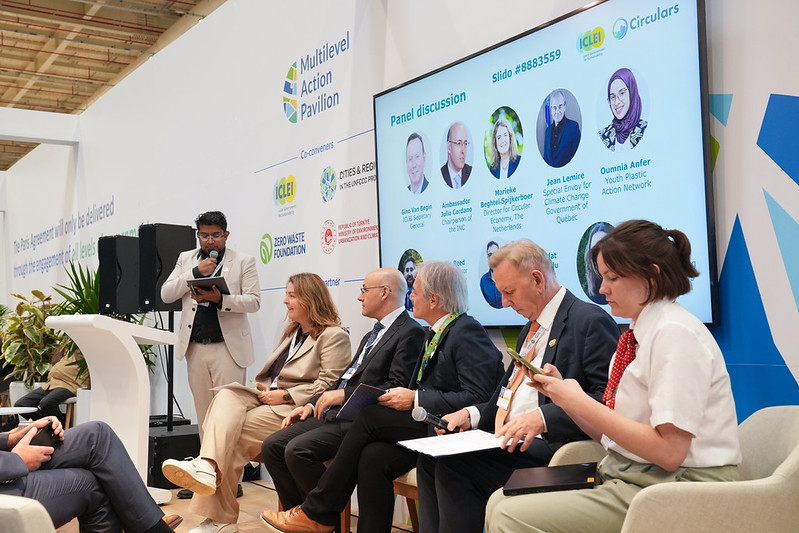
“The Paris Agreement will only be delivered through all levels of government,” said Mayor Elo of Turku, Finland, during the Resumed High-Level Segment at COP31 on 18 November.
“The global targets and commitments for solutions exist – what we need is coherence to implement the plans, to align the funding, and to harmonize reporting,” said ICLEI Secretary General Gino Van Begin.
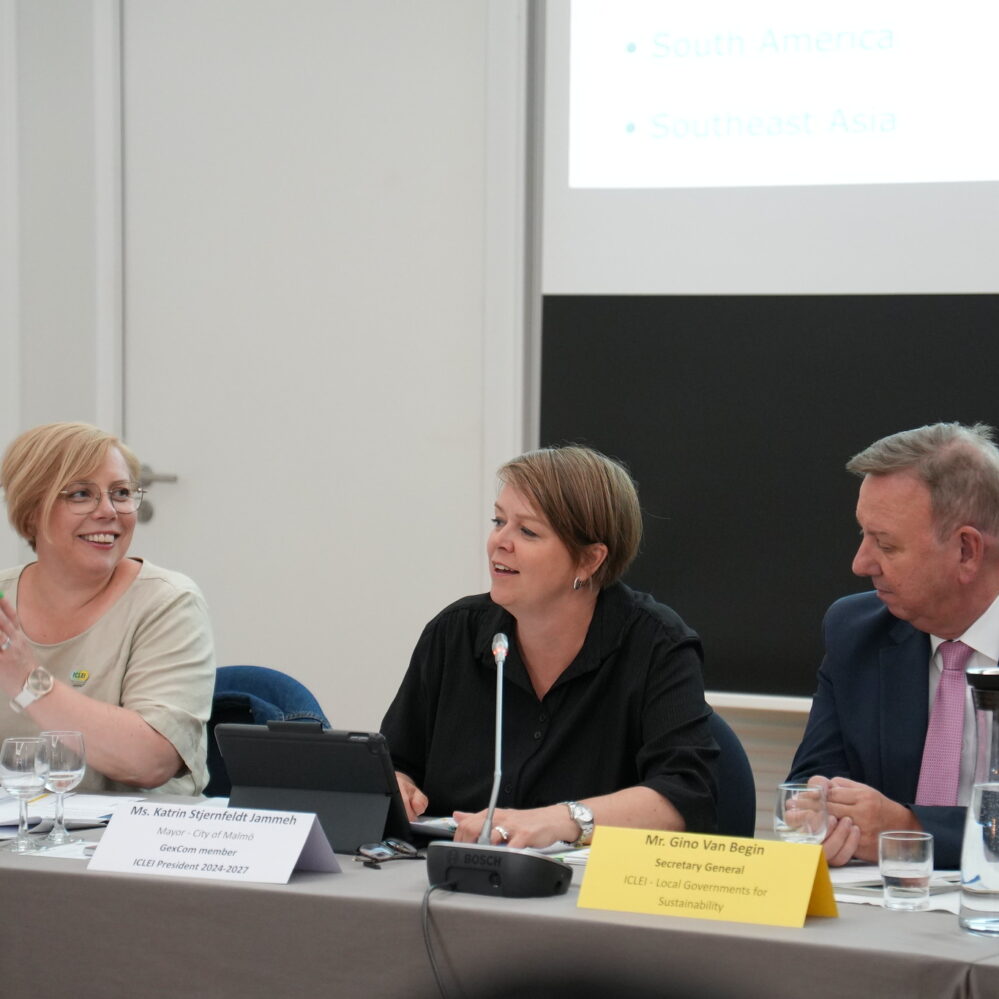
Through several engagements, ICLEI President Katrin Stjernfeldt Jammeh, Mayor of Malmö, Sweden, spoke on behalf of cities and regions, presented the LGMA’s six asks and showcased Malmö’s experience in delivering local climate action.
ICLEI empowered Chinese cities to forge global partnerships, share innovative climate solutions, and amplify their voices to drive sustainable urban development.
New regional program, funded by the Adaptation Fund, will channel climate finance to cities.
Together with Mercociudades, the network brought the voice of South American local and regional governments to all three Rio Conventions in 2026. On food systems, positions developed with Brazil’s Ministry of Social Development and the LUPPA Network reinforce food as climate action.
On 12 November, a session on community-led resilience brought together representatives from local government, the private sector, philanthropy and development finance. Organized by the Z Zurich Foundation, ICLEI and Zurich Insurance Group Türkiye, the discussion explored why community-led approaches are essential to building climate resilience.
The Community of Practice celebrated two years of collaboration among 15 cities. The session highlighted how city-to-city exchange and peer learning can spark urban innovation and accelerate climate action.
Renewed three-year agreement strengthens cooperation between local governments and the public transport sector, with a focus on capacity building, knowledge exchange and implementation.
Jointly launched by ICLEI, UITP and UN-Habitat at COP31, the report Housing, Public Transport, and Sustainable Cities: Delivering SDG 11.2 highlights the urgent need to close public transport accessibility gaps and accelerate progress toward SDG 11.2 on access to safe, affordable, accessible and sustainable transport systems for all.
Why Antalya offers an opportunity to strengthen synergies across the Rio Conventions - and what cities can contribute to making them work.
Stories from COP31
All the highlights from local and regional leaders on the ground.
A persistent gap in global climate governance remains: Cities and regions are responsible for delivering much of the Paris Agreement, yet their role in shaping national commitments, accessing finance and influencing international negotiations remains limited.
At the Multilevel Action Pavilion, representatives of Kiribati, Fiji, the Maldives, and the United Nations Office for Project Services discussed how small islands are turning climate commitments into action, and what support they need to scale it up.
From record-low river levels in Bonn, Germany, to extreme storms in San Nicolás de los Garza, Mexico, cities face growing climate risks but lack the funding to respond. At COP31, local and state government representatives explored how to close the climate finance gap, strengthen multilevel cooperation and invest in resilience before disasters strike.
At the Kyrgyz Republic Pavilion on 13 November, policymakers, development banks and subnational leaders gathered to advance multilevel partnerships for climate-resilient cities. Co-hosted by ICLEI East Asia and Kyrgyzstan’s Climate Finance Center, the session spotlighted growing subnational climate leadership.
With a second draft due in November and adoption planned for March 2027, cities and regions offered to help shape a roadmap for multilevel action in the treaty’s implementation agenda.
At the Korea Pavilion, cities from Korea, Japan and the United States showed how local governments, working with partners across all levels of government, turn national climate targets into action on the ground.
On 17 November at 11:30 TRT, the session “Unlocking climate finance for resilient cities” is bringing together local leaders from Mexico and Germany, policymakers and climate finance experts together to explore how municipalities can access funding, manage climate risks and turn adaptation priorities into investable projects.
A landmark year for the three Rio Conventions is drawing to a close. We look at what COP31 must deliver to give local and regional governments the resources, authority and influence they need to accelerate action.
ICLEI's priorities at COP31
Climate science warns: Action must accelerate
The urgency of this agenda is reinforced by UNEP’s 2026 Overshoot Report, which warns that sustained warming above 1.5°C is now expected, making rapid emissions reductions, adaptation and multilevel cooperation more critical than ever.
Looking ahead, the IPCC’s forthcoming Special Report on Climate Change and Cities, expected in March 2027, will provide further scientific evidence to guide urban climate action. Together, these assessments underscore why COP31 must accelerate implementation and empower cities and regions to act at the scale and speed the climate crisis demands.
ICLEI’s COP31 Agenda
ICLEI Members, leaders and experts participated in dozens of interventions, sessions and events throughout the two weeks of COP, on themes including:
- Just transition, renewable energy and decarbonization
- Urban resilience, locally led adaptation and disaster risk reduction
- Multilevel governance and climate partnerships
- Climate finance and municipal infrastructure
- Circular economy and waste management
- Town Hall COPs, community participation and youth engagement
- Food systems and food security
- Sustainable mobility and integrated urban planning
- Biodiversity and Nature-based Solutions
- Sustainable buildings and energy efficiency
New resources launched
Every year, ICLEI works with local and regional governments, partners, leaders, and experts to develop and publish state-of-the-art knowledge products. At COP31, we are presenting new resources covering a wide range of themes, including:
- Implementation guide for accelerated climate action
- Why intermediaries matter – Financing adaptation action in Africa
- Housing, Public Transport, and Sustainable Cities: Delivering SDG 11.2
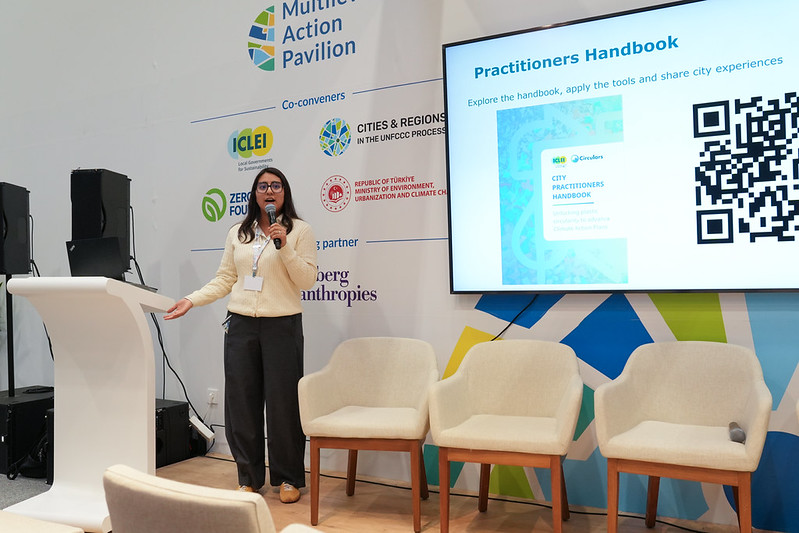
- City Practitioners Handbook. Unlocking plastic circularity to advance Climate Action Plans
- Kaohsiung Case Study Series
- Documentary: Supporting municipalities in South Africa’s just energy future
- Subnational and local governments on the road to COP32
- Town Hall COPs: Strengthening Multilevel Climate Action in Europe on the Way to COP31
ICLEI in Türkiye
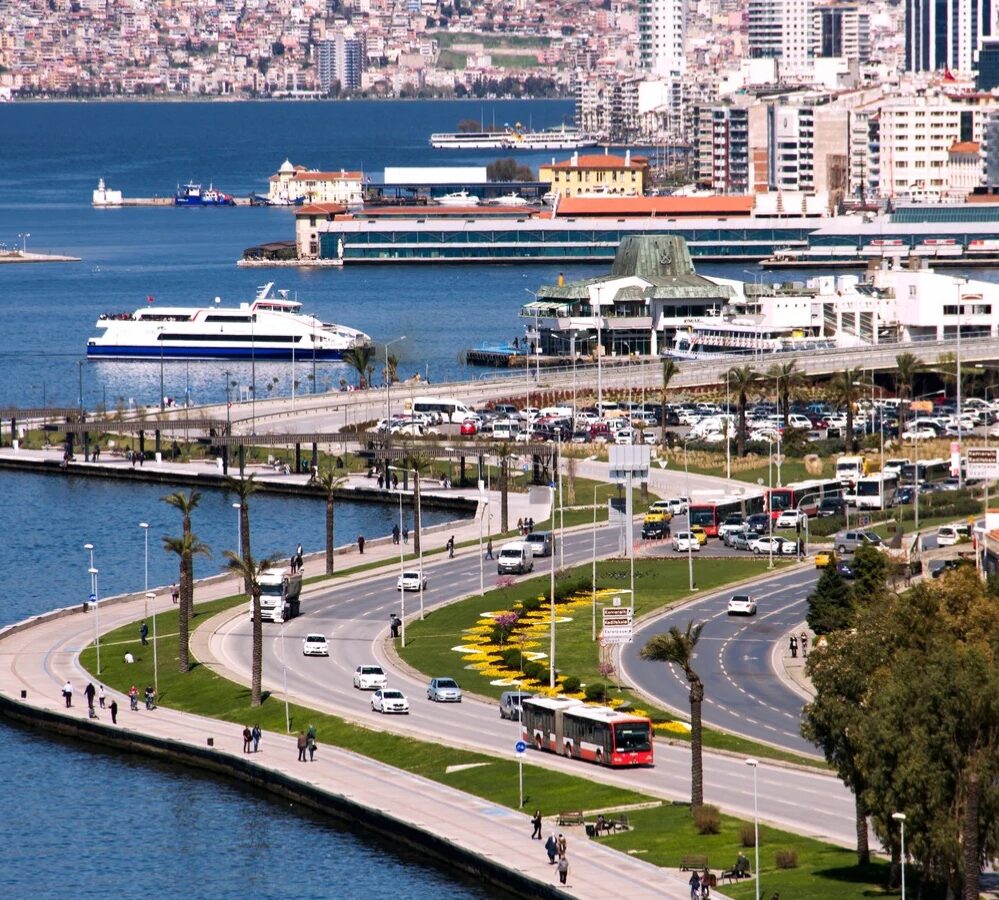
With COP31 taking place in Antalya, Turkish local and regional governments have an opportunity to showcase their climate leadership, share experiences, and strengthen international partnerships.
ICLEI’s 24 Members in Türkiye include metropolitan cities, municipalities, and district municipalities of varying sizes from across the country, making Türkiye the country with the largest number of ICLEI Members in Europe.
Through its European and global network, ICLEI connects them with peers, expertise, and collaborative projects, while amplifying their priorities and contributions on the international stage.
Learn more
From Antalya to Addis Ababa: Cities, states and regions ready to deliver what COP31 could not
The Local Governments and Municipal Authorities (LGMA) Constituency is disappointed that Parties left Antalya without agreement on finance, the transition away from fossil fuels and other key topics. Ahead of COP32, the LGMA calls on Parties to match the urgency of the climate crisis with stronger political ambition, finance and multilevel cooperation.
Read the statement
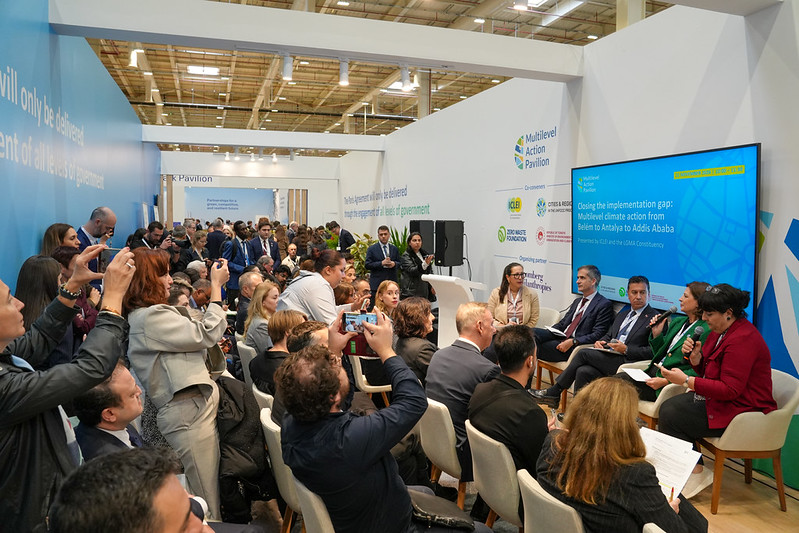
Multilevel Action Pavilion: The stage for cities and regions
The Multilevel Action Pavilion in the COP31 Blue Zone provided a dedicated space for cities and regions to showcase local and regional government leadership, innovative solutions and engagement, highlighting their vital contributions to climate action in partnership with national governments.
The Pavilion was co-convened by ICLEI, the LGMA Constituency, the Zero Waste Foundation and the Republic of Türkiye Ministry of Environment, Urbanization and Climate Change, with Bloomberg Philanthropies as an organizing partner.
Across the two weeks, the Pavilion featured an event program showcasing climate solutions, including on zero waste, while bringing together ICLEI and LGMA networks and partners. It created opportunities for local, regional and national governments to exchange, connect and highlight their work.
ICLEI has a long track record of co-hosting COP pavilions, bringing together thousands of stakeholders across dozens of diverse sessions each year.
Learn more